Pisco vs Grappa: Two Distinct Grape Spirits from Different Hemispheres
Pisco and grappa are both iconic grape-based spirits, but they come from very different parts of the world and traditions. Pisco, a distilled spirit from Peru and Chile, is made from fermented grape juice, while grappa, hailing from Italy, is made from grape pomace—the leftover skins, seeds, and stems after winemaking. Despite their shared origins in the vineyard, these two spirits offer vastly different flavour profiles and experiences. In this blog, we’ll explore the key differences between Pisco and grappa, and introduce Dappa and Dark Fire, our British alternatives to traditional grappa.
What is Pisco?
Pisco is a grape brandy produced primarily in Peru and Chile, where it has a long history rooted in winemaking traditions. Pisco is made from fermented grape juice (wine), which is distilled and then left to rest for several months in stainless steel or glass containers. Unlike many other brandies, Pisco is unaged in wood, which helps preserve the fresh, fruity flavours of the grapes.
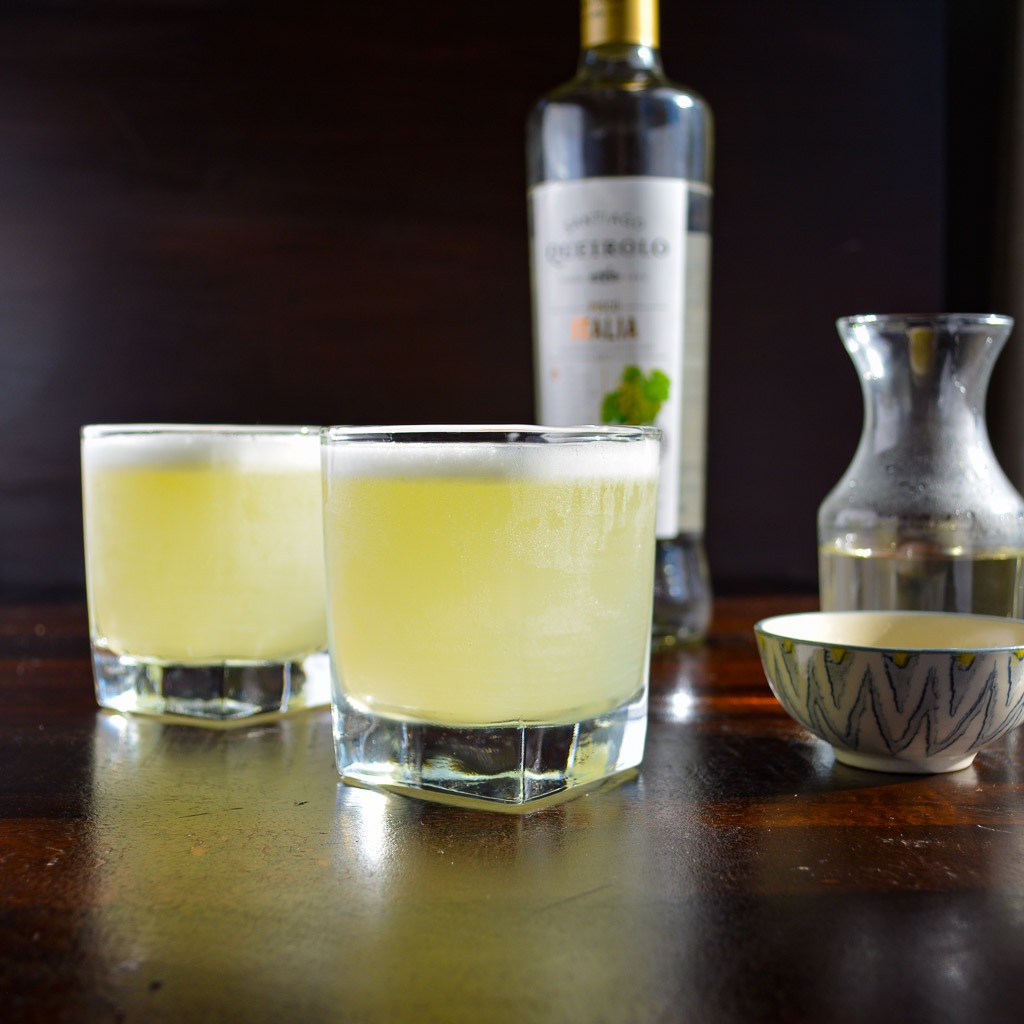
Peruvian and Chilean Pisco are subject to different regulations, and the grape varieties used can vary, with some of the most common being Quebranta, Torontel, and Pedro Ximénez. The result is a spirit that is aromatic, smooth, and versatile, often enjoyed neat, in cocktails like the Pisco Sour, or as a digestif.
What is Grappa?
Grappa is an Italian spirit made from grape pomace—the skins, seeds, and stems left over after the grapes have been pressed for winemaking. It was originally developed as a way to make use of the by-products of winemaking, ensuring that nothing went to waste. Over time, grappa has become a refined spirit with a wide range of flavours, depending on the grapes used and whether the spirit is aged.
At Devon Distillery, we produce Dappa, a British interpretation of grappa, using the same distillation techniques to craft a smooth and complex spirit from the grape pomace of UK vineyards. We also offer Dark Fire, an oak-aged version of Dappa that adds layers of vanilla, spice, and oak to the rich, fruity base of the spirit.
Technical Differences Between Pisco and Grappa
- Base Ingredients:
- Pisco is distilled from fermented grape juice (wine), making it more similar to a brandy.
- Grappa (and Dappa) is distilled from grape pomace—the skins, seeds, and stems left over from winemaking.
- Distillation Process:
- Pisco is distilled once and then left to rest in non-reactive containers such as glass or stainless steel, which helps preserve the fresh, fruity flavours of the grapes.
- Grappa and Dappa are distilled using steam distillation, which captures the fresh, fruity qualities of the grape pomace.
- Aging:
- Pisco is typically unaged and does not spend time in oak barrels, keeping its bright, clean flavours intact.
- Grappa is often unaged, but some versions (like Dark Fire) are aged in oak barrels to develop additional complexity with notes of oak, vanilla, and spice.
Flavour Differences Between Pisco, Grappa, and Dappa
The flavour profiles of Pisco, grappa, and Dappa are influenced by the base ingredients and distillation processes used to create them.
- Pisco is known for its bright, fruity flavours, with notes of grape, citrus, and floral undertones. Peruvian Pisco often has a delicate, aromatic profile, while Chilean Pisco can be a bit more robust. Pisco’s clean, fresh flavours make it a versatile spirit for sipping neat or in cocktails.
- Grappa tends to be more full-bodied and aromatic, with fruity and floral notes depending on the grapes used. Dappa, made from red grape pomace, offers rich notes of dark fruit, berries, and spice, creating a complex, smooth spirit that is perfect for sipping neat or as a digestif.
- Dappa provides a bold and fruity experience, contrasting with the bright, clean flavours of Pisco. For those who enjoy more depth and complexity, Dark Fire, the oak-aged version of Dappa, offers a smooth, rich spirit with notes of vanilla, toffee, and wood, making it an excellent alternative to Pisco for those who appreciate aged spirits.
Sustainability and Craftsmanship: Upcycling in Grappa and Dappa
One of the key distinctions between grappa (and Dappa) and Pisco is the focus on sustainability. Grappa and Dappaare made from grape pomace, ensuring that no part of the grape is wasted during winemaking. This upcycling process has long been a part of Italian winemaking traditions and reflects a commitment to reducing waste while producing high-quality spirits.
Pisco, by contrast, is made from whole grapes, and its focus is on capturing the fresh, natural flavours of the fruit. While Pisco does not involve upcycling, it celebrates the natural sweetness and aromatic qualities of the grapes, making it a versatile and refreshing spirit.
A Call to Try Dappa and Dark Fire: Alternatives to Pisco
For those who enjoy the bright, fruity complexity of Pisco, Dappa and Dark Fire offer a British alternative that is equally rich in flavour and craftsmanship. Whether you prefer the fresh, bold notes of Dappa or the smooth, oak-aged depth of Dark Fire, both spirits provide a unique experience that can rival Pisco in versatility and complexity.
Dappa offers a fruit-forward, full-bodied spirit that captures the essence of the grapes used in winemaking, while Dark Fire adds layers of vanilla, oak, and spice, making it an excellent choice for those who enjoy aged spirits or want to explore something different from Pisco.
Conclusion: Pisco, Grappa, and Dappa—A Celebration of Grape-Based Spirits
Whether you prefer the bright, aromatic flavours of Pisco or the bold, fruity complexity of grappa and Dappa, both spirits offer unique ways to experience the flavours of the vineyard. Pisco reflects the winemaking traditions of South America, while grappa and Dappa celebrate the sustainable upcycling of grape pomace into a refined, artisanal spirit.
For those looking to explore new horizons, Dappa and Dark Fire offer a British twist on these grape-based spirits. With their smooth finishes and rich character, they are perfect alternatives to Pisco and a testament to the art of distillation and sustainability.